
Licensing Photos: a quick guide

It can happen to anyone who takes photographs and posts them online. Inevitably, at some point, someone sees it and would like to use it for commercial purposes.
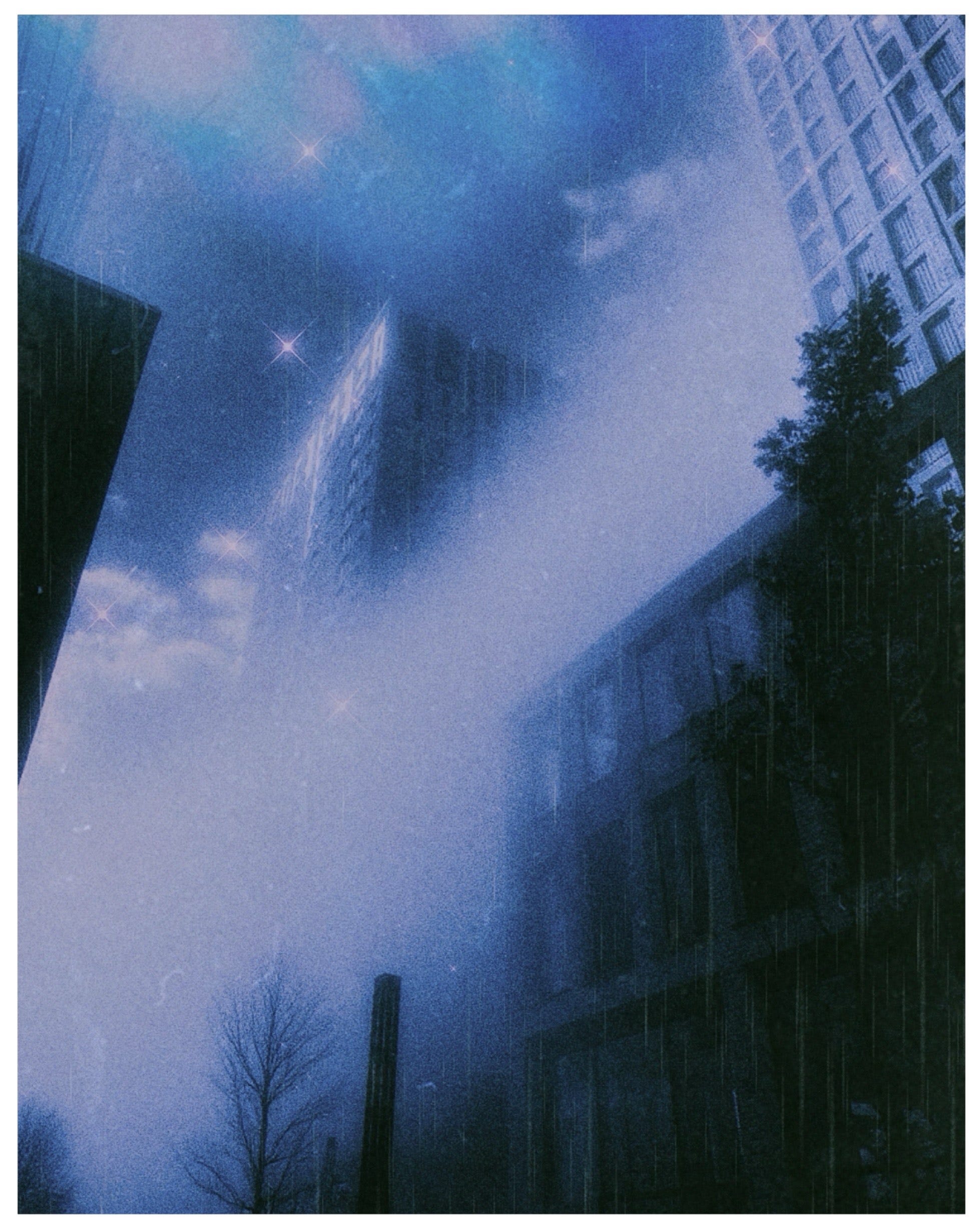
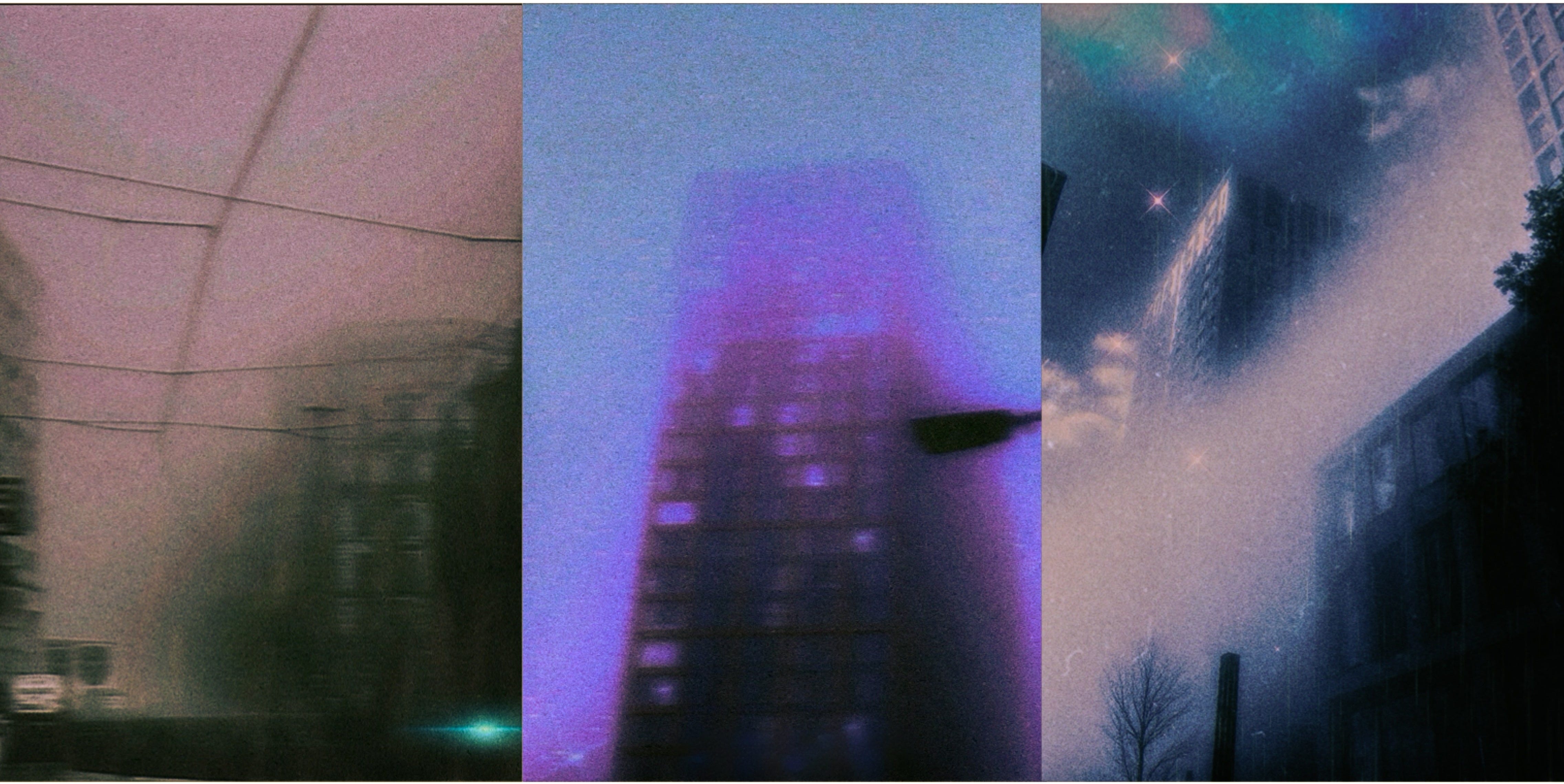
At the weekend I was contacted by a band in the US, who’d seen a selection of my photographs online and asked if I licensed them out. I obviously was thrilled, the photos in question belonged to a personal project that’d I’d shot last year and apart from the creative journey I’d enjoyed in prepping, taking and editing the photos in question, I had no further use for them other than to display them in my portfolio.
So of course, I agreed to 4 of my images to be used as vinyl cover artwork. It’s been a smooth process of agreeing terms and writing up a contract using *Gemini.
However, if you find yourself in this position as a photographer, I thoroughly recommend researching the right agreement terms for you and not following a template, if you need to seek legal advice, especially if their are models or people within the images or you have specific petametres around which your images can be used commercially. If it’s frequent and on a larger scale; it can be easier to have a agent for licensing images, but they aren’t always easy to acquire.
Here’s a quick breakdown of points to cover:
1. Understand Your Licensing Types
Before you send an invoice, you need to know what you are selling. Commercial licenses generally fall into two categories:
Rights-Managed (RM): The client pays based on specific usage (e.g., one year of use on a billboard in North America). If they want to use it more, they pay more.
Royalty-Free (RF): The client pays a one-time fee to use the image multiple times in various projects, with few restrictions. Note: “Royalty-free” does not mean the image is free to use; it means the user doesn’t pay ongoing royalties.
2. Secure Model and Property Releases
In the commercial world, an image is often legally useless without paperwork.
Model Releases: If a person’s face (or even a recognizable tattoo) is in the shot, you need a signed release to use that image for advertising.
Property Releases: This applies to private property, unique architecture, or trademarked logos. If you’re shooting inside a private venue or featuring a specific brand’s product prominently, get a release.
3. Define the Scope of Use
To price your work accurately, your contract should specify the “Three W’s”:
Who: Which company is using the image? (Is it a local coffee shop or a global corporation?)
Where: Is it for social media, print ads, television, or a website?
When: How long is the license active? (e.g., 6 months, 2 years, or “in perpetuity”).
4. Use Professional Metadata
If you want companies to find and license your work, your metadata must be clean. Use software like Adobe Lightroom or Photo Mechanic to embed:
Copyright information: Your name and contact details.
Keywords: Descriptive tags that help buyers find your images in databases.
Caption/Description: Context about where and what the photo is.
5. Set Fair Pricing
Pricing can be the most intimidating part of licensing. Instead of guessing, use industry-standard tools like Getty Images’ price calculator or BlinkBid to see what the market rate is for specific uses. Generally, the larger the audience and the longer the duration, the higher the fee.
Pro Tip: Never give away “Full Buyouts” or “Transfer of Copyright” unless the client is paying a significant premium. Usually, a broad “Unlimited Commercial Use” license is enough for the client while allowing you to retain ownership of your work.
I hope this helps. If anyone has any comments, that would helpfully add to this topic, please feel free to add below.
Thanks for reading!
Victoria x
That’s a fascinating post, a subject that I was unaware of, 🙏
So helpful! Congrats Victoria! The images are so well fitted for an album cover!